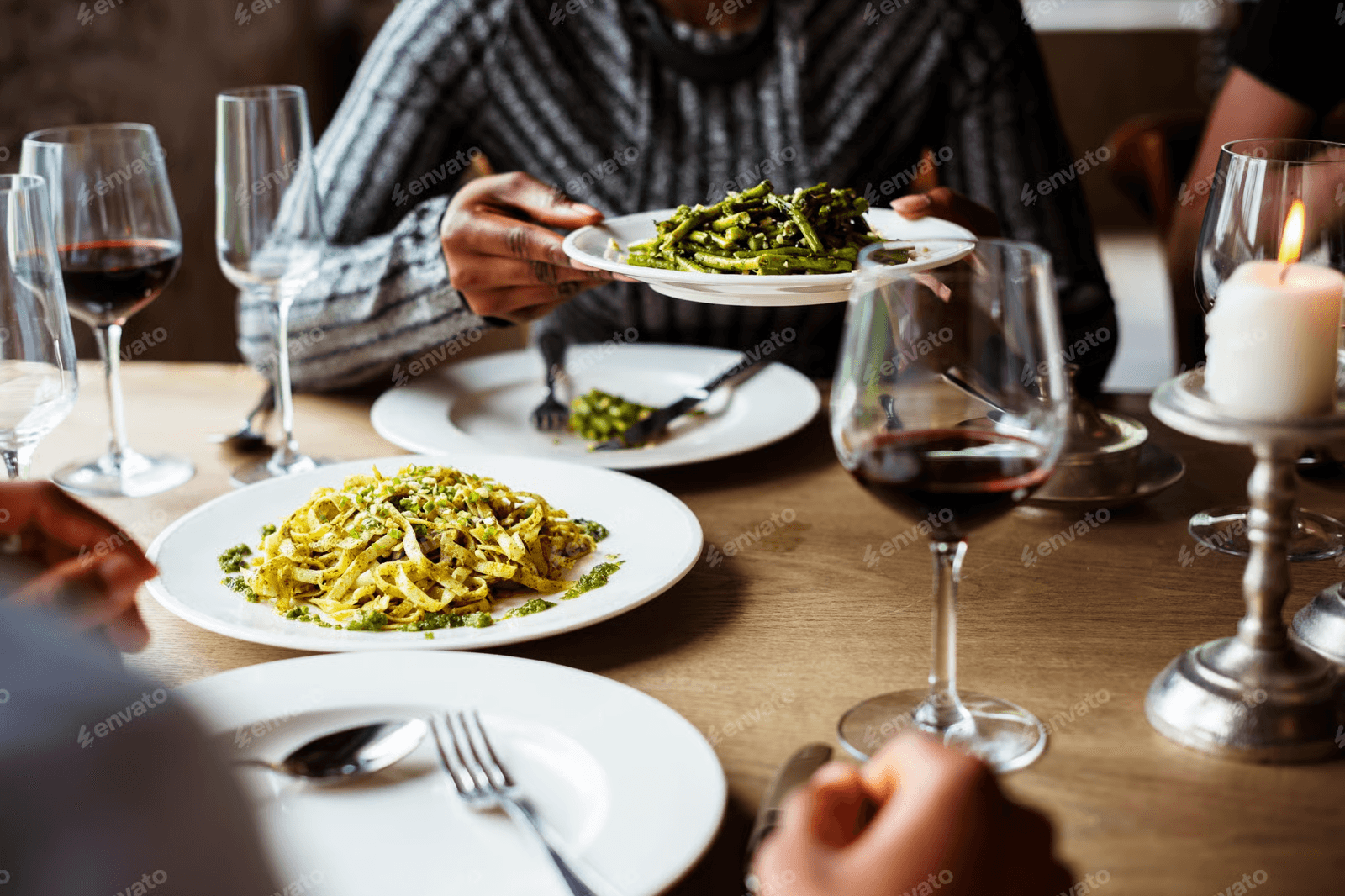
If you’re sitting down for a hearty plate of pasta (whether at Pasta Fresca or at home), you’ve probably wondered which wine really elevates the experience.
Getting the right Italian wine can turn your meal into something memorable, not just “nice.”
This guide is not just for serious wine buffs: it’s for you, a curious diner who wants to feel confident ordering wine with your pasta, whether you’re at the best Italian restaurant in Singapore has to offer or having a relaxing dinner at home.
Key Takeaways:
- Tomato-based pasta? Go for a Sangiovese or Barbera. Their acidity mirrors the tomato’s freshness.
- Creamy sauces? Reach for a Chardonnay (Piemonte) or a Soave; fat‑cutting but smooth.
- Herb‑ or olive-oil-forward pastas? Try crisp whites like Vermentino or Pinot Grigio.
- Seafood pasta? Bright, aromatic whites such as Vermentino, Fiano, or Lugana do wonders.
- Meat ragù? Rich reds like Nero d’Avola, Dolcetto, or a Sangiovese blend bring structure.
Why Wine Pairing Works
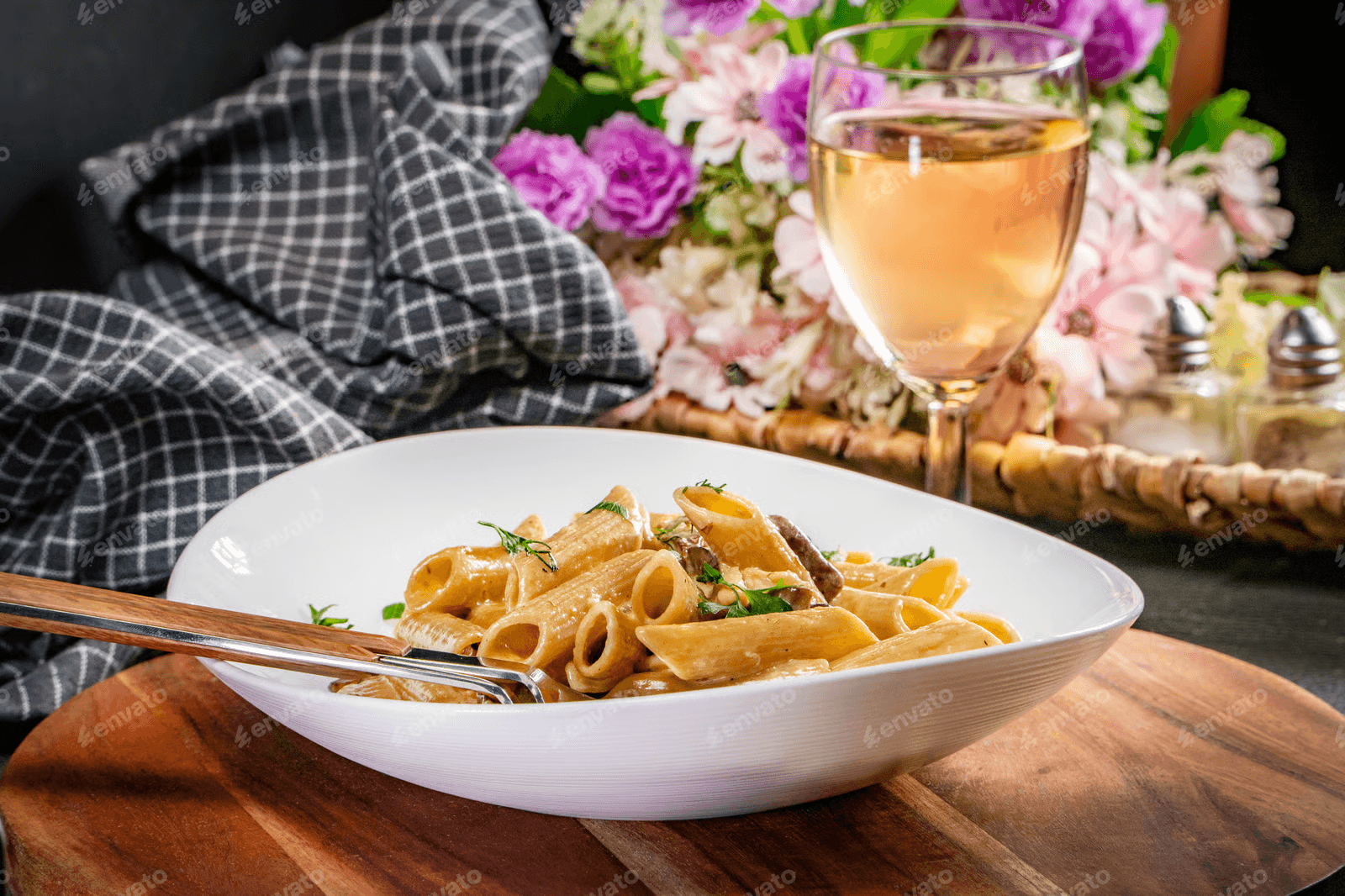
Wine pairing is not just fancy talk. It works because acidity, body, and flavour in a wine interact with what’s on your plate.
Acidity in wine can cut through rich food. A fuller body supports heavier sauces. Flavours echo or contrast: a cherry‑fruit red might echo tomato, while a mineral white can brighten seafood.
Think of it like how laksa and chicken rice feel different in your mouth: laksa is richer and spicier, chicken rice is simpler and cleaner. Wine works the same way — pairing well means balancing or enhancing those sensations.
Know Your Pasta Sauce First
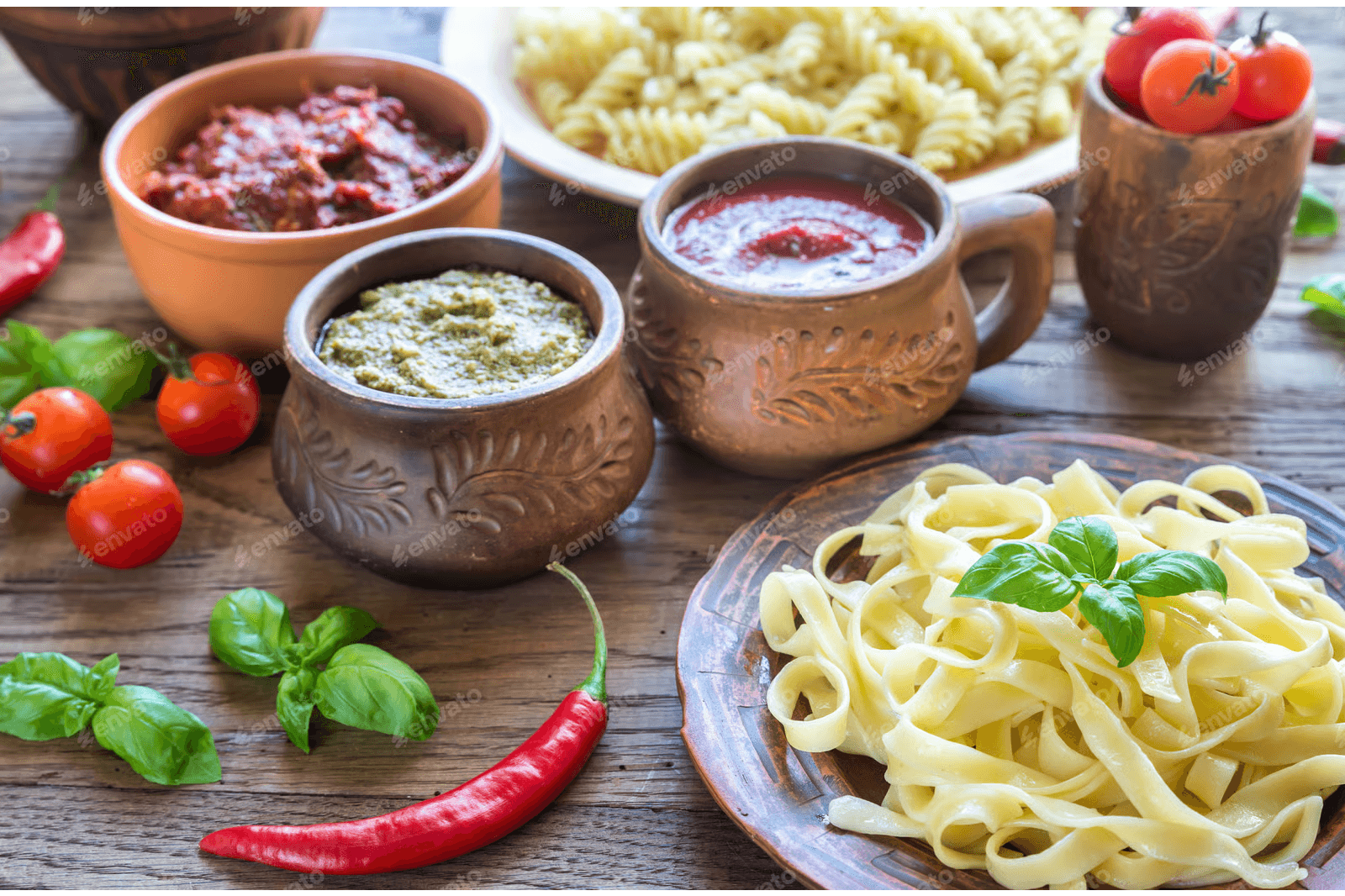
To pick the right wine, start with the pasta sauce. That’s the anchor.
Tomato‑Based Sauces
Acid in tomato sauces needs a wine with good acidity, so nothing tastes flat. Wines such as Chianti (Sangiovese), Barbera, or Montepulciano are classic fits.
For instance, if you order a spaghetti pomodoro at a local trattoria, a Sangiovese‑based Chianti will complement rather than fight the tanginess.
Creamy and Rich Sauces
Fat softens the palate and makes something feel “heavy.” That’s why you pair creamy pasta (think carbonara or Alfredo) with wines that have enough body but also refresh your palate.
An unoaked Chardonnay from Piemonte or a Soave (made from Garganega grapes) works beautifully. These wines have texture and lift.
Olive‑Oil or Herb‑Forward Sauces
When your pasta is dressed more gently (something like olive oil, garlic, basil), you don’t want an overpowering wine. Lean into crisp whites.
Vermentino or Pinot Grigio bring subtle fruit and minerality that match well with herbal, delicate flavours.
Seafood Sauces
Seafood demands a wine that’s bright and not too heavy. Try Vermentino, Fiano, or Lugana (a white from Lombardy / Veneto).
For example, if you’re having a linguine alle vongole (clams), a chilled Vermentino is ideal: it keeps things light, fresh, and briny.
Meat‑Based Sauces
Ragù, Bolognese, or meatball sauce: these need a wine with structure. Red options like Nero d’Avola, Dolcetto, or a Sangiovese blend offer enough body, tannin, and fruit to stand up to rich meat.
If you order tagliatelle al ragù at a fine Italian restaurant in Singapore, this kind of red will pair well with deeply savoury meat flavours without being too heavy.
What If You Prefer Sweet, Light, or Bold Wines
- If you like sweet wines: Try Moscato d’Asti; lightly fizzy, sweet, and very food-friendly without overwhelming your pasta.
- If you like light wines: Go for crisp, low-alcohol whites like Pinot Grigio or Gavi; refreshing and gentle.
- If you like bold reds: Try Amarone della Valpolicella or a Brunello di Montalcino… but pair them with richer meat pasta; avoid wine that’s too powerful with delicate tomato sauce.
Pairing Wines With Singapore Weather
Singapore’s tropical heat changes how wines feel in your glass. Full-bodied reds, for example, can seem heavier and even cloying when the humidity is high.
To keep things balanced, serve your whites chilled to around 8–10 °C; the crispness refreshes the palate and brightens the flavours of your pasta.
Red wines benefit from being slightly cooler than room temperature, around 14–16 °C, so they maintain structure without feeling flabby.
On especially hot evenings, lighter-bodied reds such as Dolcetto or exceptionally crisp whites like Vermentino are easier to enjoy than big, oaky wines that can feel overpowering under the tropical sun.
By considering temperature and body, you make every sip complement the meal rather than compete with it.
Common Mistakes Diners Make
Even experienced diners can misstep with wine. A heavy, tannic red poured alongside delicate seafood pasta will overwhelm the dish, masking its subtle flavours.
Conversely, choosing a buttery, oaky white for a spicy tomato sauce often results in a clash, with the wine’s richness fighting against the acidity and heat of the pasta.
Temperature also plays a crucial role: serving whites too warm or reds too hot diminishes freshness and nuance, making even the best bottles feel flat.
Paying attention to these details ensures that your wine enhances the food rather than competes with it.
Simple Method for Choosing a Wine Every Time
Selecting the right wine doesn’t have to feel intimidating. Start by identifying your sauce style (tomato, creamy, seafood, or meat-based) because this will dictate the wine’s acidity and body.
Next, match those characteristics: high-acid sauces pair with higher-acid wines, while fattier sauces pair with fuller-bodied wines.
Finally, adapt to climate and personal taste, adjusting serving temperature or leaning toward lighter wines when Singapore’s tropical heat is at its peak. For example, imagine ordering penne all’arrabbiata, a spicy tomato sauce.
A Sangiovese-based Chianti works perfectly, but chilling it slightly to about 16 °C cuts through the spice, refreshes your palate, and keeps the meal beautifully balanced from the first bite to the last.
Pairing Wine and Italian Pasta Like a Pro
You don’t need to be a sommelier to pair your pasta like one. Use what you already know — your sauce, your flavour preferences, and a little sense of balance. Next time you dine out (or order in), trust yourself.
Try one pairing from this guide and see how it elevates your meal. You might just discover why Pasta Fresca calls itself part of the best Italian restaurant in Singapore and your dinner becomes something you look forward to repeating.
Frequently Asked Questions
Can I drink red wine with seafood pasta?
Yes, but choose lighter red wines (like Dolcetto or a soft Sangiovese). Avoid big, tannic reds — they will overpower delicate seafood.
Do I always need a wine that exactly matches my pasta?
Not necessarily. Wine pairing is a guide, not a rule. The best pairing is one you enjoy. Use the three-step method and adjust for your taste.
Is it better to decant Italian red wines?
It depends. Younger reds (especially Sangiovese blends) may benefit from 20–30 minutes of decanting to soften tannins. Older, delicate reds may lose nuance if over-decanted.
Where can I buy good Italian wine in Singapore?
You can order from online retailers that deliver across Singapore. For dining, Pasta Fresca has a thoughtfully curated list for every item on its menu.
How do I store wine at home in tropical Singapore?
Store your wine in a cool, dark place; ideally around 15–18 °C. Use an insulated wine bag or a temperature-controlled wine fridge if your storage area gets warm.