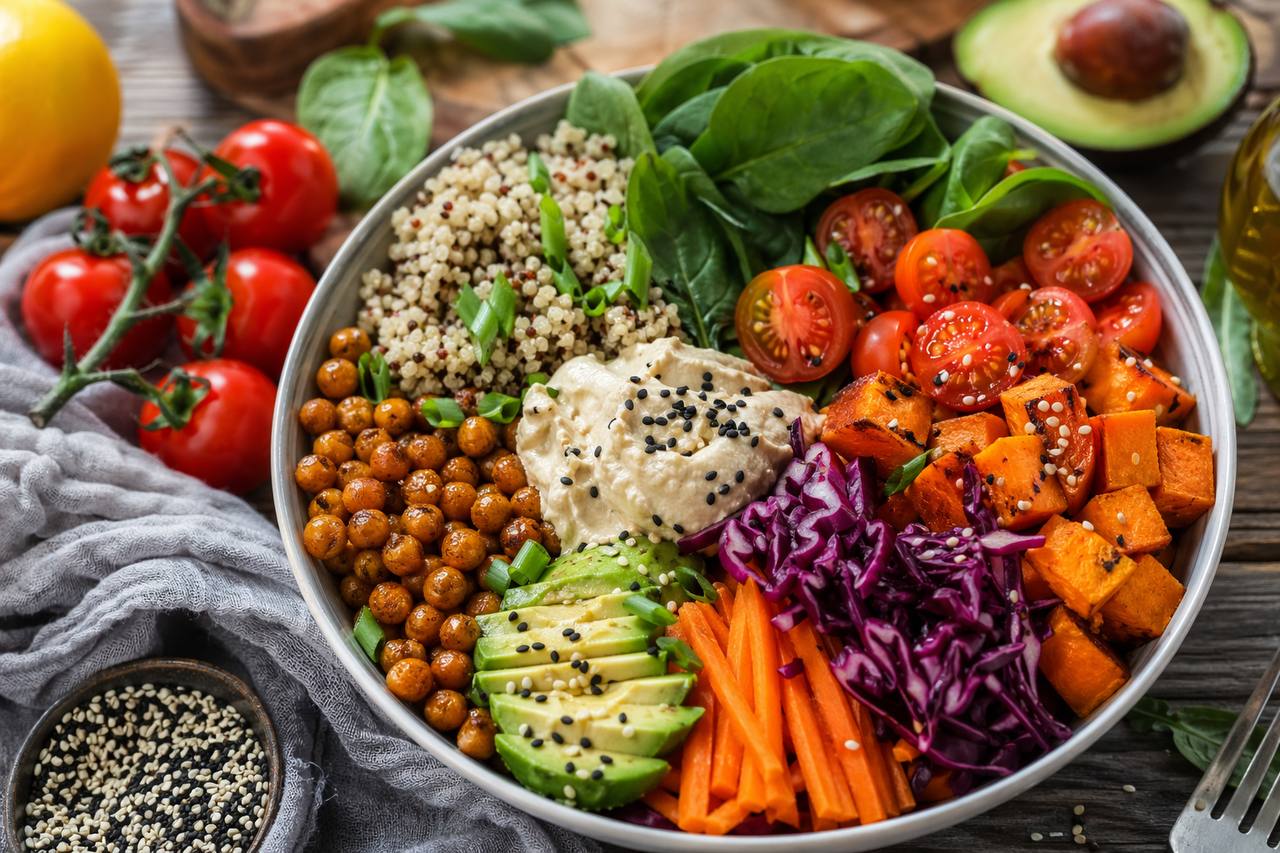
Adopting a vegetarian lifestyle is more than a dietary adjustment—it is a deliberate decision that can influence health, ethics, and environmental impact. For many, the idea begins with a simple thought: I want to become a vegetarian. The transition, however, requires structure, awareness, and a clear understanding of nutritional balance.
What Does It Mean to Be Vegetarian?
A vegetarian diet excludes meat, poultry, and fish, but it may include dairy products and eggs, depending on the type. The most common forms are:
Lacto-vegetarian – includes dairy but excludes eggs
Ovo-vegetarian – includes eggs but excludes dairy
Lacto-ovo vegetarian – includes both dairy and eggs
Vegan – excludes all animal-derived products
Each variation has its own nutritional considerations, but all rely heavily on plant-based foods such as vegetables, fruits, legumes, grains, nuts, and seeds.
Why Choose Vegetarianism?
The motivations for becoming vegetarian vary, but they generally fall into three core categories:
Health benefits – Lower risk of cardiovascular disease, improved digestion, and better weight management
Ethical considerations – Reducing harm to animals and supporting humane practices
Environmental impact – Lower carbon footprint and reduced resource consumption
Scientific literature consistently shows that well-planned vegetarian diets can be nutritionally adequate and beneficial across all stages of life.
Key Nutritional Considerations
Transitioning to vegetarianism is not simply about removing meat; it requires thoughtful substitution. The most critical nutrients to monitor include:
Protein – Found in lentils, beans, tofu, tempeh, and dairy
Iron – Present in spinach, legumes, and fortified foods (absorption improves with vitamin C)
Vitamin B12 – Typically requires supplementation or fortified foods
Omega-3 fatty acids – Available from flaxseeds, chia seeds, and walnuts
Neglecting these elements can lead to deficiencies, so dietary planning is essential rather than optional.
How to Transition Effectively
A structured approach significantly increases the likelihood of long-term adherence. Consider the following practical steps:
Start with meat-free days (e.g., once or twice per week)
Gradually replace meat with plant-based protein alternatives
Experiment with international cuisines that naturally emphasize vegetarian dishes
Learn to read labels to identify hidden animal-derived ingredients
This phased method minimizes disruption and allows your body—and habits—to adapt progressively.
Common Challenges and How to Address Them
Despite its advantages, vegetarianism presents certain challenges:
Social situations – Limited menu options in restaurants or gatherings
Nutritional gaps – Poorly planned diets can lead to deficiencies
Cravings – Psychological attachment to familiar foods
These issues are manageable with preparation, education, and flexibility. Access to reliable resources is particularly important; for instance, more detailed insights into vegetarian nutrition and lifestyle strategies can be found on specialized platforms such as weganpolska.pl/en.
Final Perspective
Becoming a vegetarian is not a rigid identity but a dynamic process. It requires ongoing learning, dietary awareness, and adaptability. When approached systematically, it can lead to measurable health improvements, ethical alignment, and environmental responsibility. The key variable is not the label itself, but the quality and balance of the diet you construct.