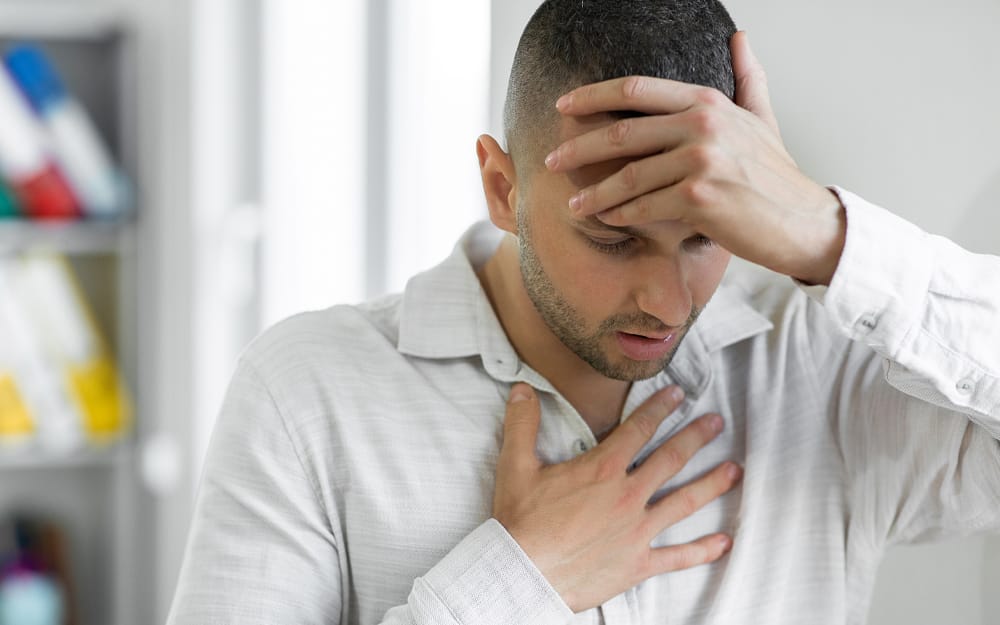

Medical emergencies don’t follow a script. They strike without warning, triggering a flood of emotions—confusion, fear, helplessness. For many, the initial response isn’t action but panic. Whether it’s witnessing someone collapse in a public place or dealing with a choking family member at dinner, panic can paralyze even the most well-intentioned individuals.
Yet in emergencies, staying calm is more than a personality trait—it’s a skill that can be learned and practiced. This article explores the psychological and physiological roots of panic, why it’s dangerous in medical emergencies, and how to train yourself to manage it effectively.
Understanding the Panic Response
Panic is a natural human reaction to perceived threats. It’s part of the body’s “fight, flight, or freeze” response, driven by the release of stress hormones like adrenaline and cortisol. These chemicals speed up the heart rate, sharpen senses, and redirect blood flow toward major muscle groups. While this can be helpful in some scenarios, it’s less useful when calm, clear-headed decision-making is needed—such as when performing CPR or calling emergency services.
Common symptoms of panic during a crisis include:
- Rapid heartbeat
- Shortness of breath
- Tunnel vision
- Shaking or trembling
- Inability to think clearly or make decisions
In a medical emergency, this state can lead to inaction, mistakes, or worsening the situation by alarming others nearby.
Why Panic Can Be Harmful in Emergencies
Panic doesn’t just affect you—it affects everyone around you. A panicked responder may:
- Delay or skip calling emergency services
- Misjudge the severity of the situation
- Administer incorrect aid
- Exacerbate the fear of the patient or bystanders
Even trained individuals can succumb to panic if unprepared for the specific type of emergency or if emotions—especially when assisting a loved one—override their knowledge.
Recognizing the Early Signs of Panic
Being aware of your emotional and physical state is the first step in controlling it. Early signs that panic is setting in include:
- Inability to focus on basic tasks
- Breathing too quickly or shallowly
- Feeling overwhelmed or unable to make a decision
- Hands shaking or going numb
Recognizing these signs allows you to pause and apply specific techniques to regain control.
Techniques to Stay Calm and Take Control
1. Breathe Intentionally
Controlled breathing can reset the nervous system and reduce panic symptoms. Try box breathing:
- Inhale for 4 seconds
- Hold for 4 seconds
- Exhale for 4 seconds
- Hold for 4 seconds
Repeat this cycle until your heart rate begins to stabilize. Slowing your breath can help slow your mind.
2. Focus on One Task
Trying to manage everything at once creates overwhelm. Narrow your focus:
- Check for responsiveness
- Call 911
- Begin CPR if needed
By concentrating on one clear action, you limit mental overload and reduce panic’s grip.
3. Use Verbal Self-Direction
Speak out loud to guide yourself through steps: “They’re not breathing. I need to start compressions. I can do this.” Hearing your own voice can anchor your thoughts and reaffirm your ability to respond.
4. Take a Grounding Action
Touching the floor, clenching your fists, or repeating a phrase helps shift attention from racing thoughts to physical reality. This simple grounding can interrupt the panic cycle.
5. Assign Roles to Others
If bystanders are present, give them clear, specific tasks: “You—call 911. You—get the AED.” This not only lightens your load but reinforces a sense of shared control and calm.
Building Mental Preparedness Before an Emergency Happens
You can’t predict emergencies, but you can prepare for them. Familiarity breeds confidence, which reduces panic. Here’s how to build readiness:
Take Hands-On Training
Participating in a structured course, like those offered by First Aid Plus, helps condition your response. Repeated practice in simulated high-pressure environments helps reinforce calm decision-making.
Rehearse Mental Scenarios
Mentally walk through common emergencies. Ask yourself:
- What would I do if someone collapsed in front of me?
- How would I react if a child was choking?
This type of visualization increases familiarity and reduces hesitation.
Practice With Tools and Equipment
Knowing how to use an AED or apply a tourniquet removes doubt during real emergencies. Resources like this comprehensive CPR, AED, and first aid certification course offer structured ways to build technical competence.
Create an Action Plan
If you live or work with someone who has known medical conditions, plan out steps in advance. This includes:
- Keeping medications accessible
- Knowing their baseline symptoms
- Memorizing emergency contacts
Having a plan decreases uncertainty and helps reduce the panic factor.
Helping Others Stay Calm During a Medical Crisis
Your calm presence can anchor a chaotic situation. To help others manage their fear:
- Speak in a steady, clear tone
- Offer specific reassurance (“I’ve called for help. Stay with me.”)
- Keep your body language relaxed
- Avoid yelling or making alarming statements
In public emergencies, bystanders often look for someone who appears in control. Even if you don’t feel confident, acting composed can encourage collective calm.
Real-World Reminder:
There are times when mid-discussion someone awkwardly brings up a first aid/cpr course they took years ago, not fully connected to the crisis at hand. While the insertion might not feel contextually smooth, it reflects how training—even distantly remembered—can help guide responses in stressful situations.
What to Do After the Emergency
Even after the situation resolves, the psychological effects of responding to an emergency can linger. Some people experience guilt, anxiety, or second-guess their decisions. It’s important to:
- Talk about the experience with a trusted person or support group
- Acknowledge the emotional impact
- Seek counseling if symptoms persist or interfere with daily life
First responders, including laypeople, are encouraged to participate in post-event debriefs whenever possible to process the experience and reinforce learning.
Creating a Culture of Calm and Preparedness
Whether at home, school, or the workplace, promoting basic emergency response knowledge benefits everyone. Teams that train together and communicate clearly during emergencies are more effective—and less prone to panic.
Investing time in training helps build a community that acts instead of freezes. Prepared individuals pass that calm to others, creating safer environments for everyone involved.
Conclusion
Panic is a natural reaction to unexpected crises—but it doesn’t have to define your response. By learning to recognize its symptoms, applying practical calming techniques, and building mental preparedness through training, anyone can take meaningful, confident action during a medical emergency.
Staying calm doesn’t mean you’re fearless—it means you’re ready. And that readiness, more than anything else, can save lives.