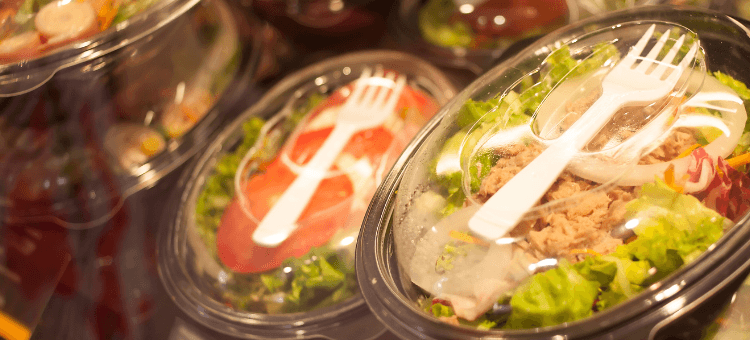
Packaged salads offer a convenient and nutritious meal option for busy individuals. However, several listeriosis outbreaks linked to packaged salads have raised concerns about their safety. Listeriosis, a serious infection caused by Listeria monocytogenes, can lead to severe illness, especially in vulnerable populations. This article explores the science behind listeriosis outbreaks, the factors contributing to contamination, and what consumers and producers can do to ensure the safety of packaged salads.
Understanding Listeriosis
Listeriosis is an infection caused by the bacterium Listeria monocytogenes. This pathogen can be found in soil, water, and animal feces, making it possible for a variety of foods to become contaminated. Unlike many other bacteria, Listeria can grow at refrigeration temperatures, making it particularly challenging to control in ready-to-eat foods like packaged salads. The infection can cause symptoms ranging from mild flu-like symptoms to severe complications such as meningitis, septicemia, and even death.
The Science Behind Listeria Contamination
Several factors contribute to the contamination of packaged salads with Listeria monocytogenes:
- Environmental Presence: Listeria is widespread in the environment, found in soil, water, and animal feces. Raw vegetables used in salads can become contaminated with Listeria through contact with contaminated soil, water, or manure. Even with thorough washing, it may not be possible to eliminate all traces of the bacteria.
- Processing and Packaging: During processing and packaging, salads can come into contact with contaminated surfaces, equipment, or water. If the processing facility does not adhere to strict hygiene and sanitation standards, the risk of contamination increases. Cross-contamination can also occur if utensils, cutting boards, or surfaces that come into contact with Listeria are not properly sanitized.
- Cold Storage: Packaged salads are typically stored and transported at refrigeration temperatures. While refrigeration slows the growth of most bacteria, Listeria can thrive in these conditions, making proper storage critical. Inadequate refrigeration or temperature fluctuations can contribute to bacterial growth.
- Biofilms: Listeria can form biofilms, which are protective layers that make it difficult to eliminate the bacteria. Biofilms can develop on surfaces in processing facilities and on the surface of produce, providing a safe haven for the bacteria.
Notable Listeriosis Outbreaks Linked to Packaged Salads
Several listeriosis outbreaks linked to packaged salads have highlighted the challenges in ensuring food safety. Notable incidents include:
- 2016 Dole Packaged Salads Outbreak: An outbreak of listeriosis was linked to Dole packaged salads produced at a facility in Springfield, Ohio. The outbreak resulted in several illnesses and hospitalizations, prompting a recall of the affected products.
- 2021 Fresh Express and Dole Recalls: In December 2021, Fresh Express and Dole announced recalls of packaged salads due to potential Listeria contamination. The recalls affected multiple states and led to an investigation by the FDA and CDC. The outbreaks resulted in several illnesses and deaths.
Ensuring the Safety of Packaged Salads
To ensure the safety of packaged salads and reduce the risk of listeriosis, both consumers and producers must adopt stringent food safety practices.
For Consumers:
- Proper Food Handling:
- Wash Hands: Always wash your hands with soap and water before handling food.
- Clean Surfaces: Clean and sanitize kitchen surfaces, utensils, and cutting boards.
- Separate Raw and Cooked Foods: Keep raw meat, poultry, and seafood separate from ready-to-eat foods to avoid cross-contamination.
- Safe Food Preparation:
- Wash Vegetables Thoroughly: Rinse fresh vegetables under running water before eating, cutting, or cooking. Use a brush to scrub firm produce like cucumbers and melons.
- Avoid Soaking: Do not soak produce in water, as this can spread contaminants from one item to another. Rinse each item individually under running water.
- Store Food Safely:
- Refrigerate Promptly: Store packaged salads and other perishable foods at or below 40°F (4°C). Use a refrigerator thermometer to monitor the temperature regularly.
- Check Expiry Dates: Pay attention to expiration dates on packaged salads and discard any items that are past their use-by date.
- Stay Informed:
- Follow Recalls: Stay updated on food recalls and safety alerts issued by health authorities. Follow recall instructions promptly to remove potentially contaminated products from your home.
- Report Illnesses: Report any suspected cases of foodborne illness to your local health department.
For Producers:
- Maintain Clean and Sanitary Facilities:
- Regular Cleaning: Clean and sanitize all surfaces, equipment, and utensils that come into contact with food. Use appropriate cleaning agents and follow manufacturer instructions for effective sanitation.
- Pest Control: Implement pest control measures to prevent contamination from rodents, insects, and other pests that can carry Listeria.
- Proper Temperature Control:
- Refrigeration: Ensure that refrigeration systems are functioning correctly and maintaining the appropriate temperature for storing and transporting packaged salads.
- Temperature Monitoring: Regularly monitor and record the temperature of storage areas and refrigeration units to ensure they are within the safe range.
- Employee Training:
- Hygiene Practices: Train employees on proper hygiene practices, including handwashing, proper sanitation, and temperature control. Regularly update training to ensure compliance with food safety standards.
- Prevent Cross-Contamination: Educate employees on the importance of preventing cross-contamination by using separate equipment and utensils for raw and ready-to-eat foods.
- Regular Testing:
- Environmental Monitoring: Conduct regular testing of the processing environment for Listeria to identify and address potential contamination sources.
- Product Testing: Implement routine testing of finished products to ensure they are free from Listeria contamination.
Conclusion
While packaged salads can offer a convenient and nutritious meal option, the risk of Listeria monocytogenes contamination cannot be ignored. By understanding the science behind listeriosis outbreaks and implementing stringent food safety practices, both consumers and producers can work together to ensure the safety of packaged salads. Awareness, vigilance, and adherence to best practices are key to minimizing the risk of listeriosis and enjoying healthier, safer food options. With ongoing efforts to improve food safety, we can trust that packaged salads will continue to be a safe and convenient choice for many.